Greenpeace names Sagunto beaches as example of costly, short-lived regeneration
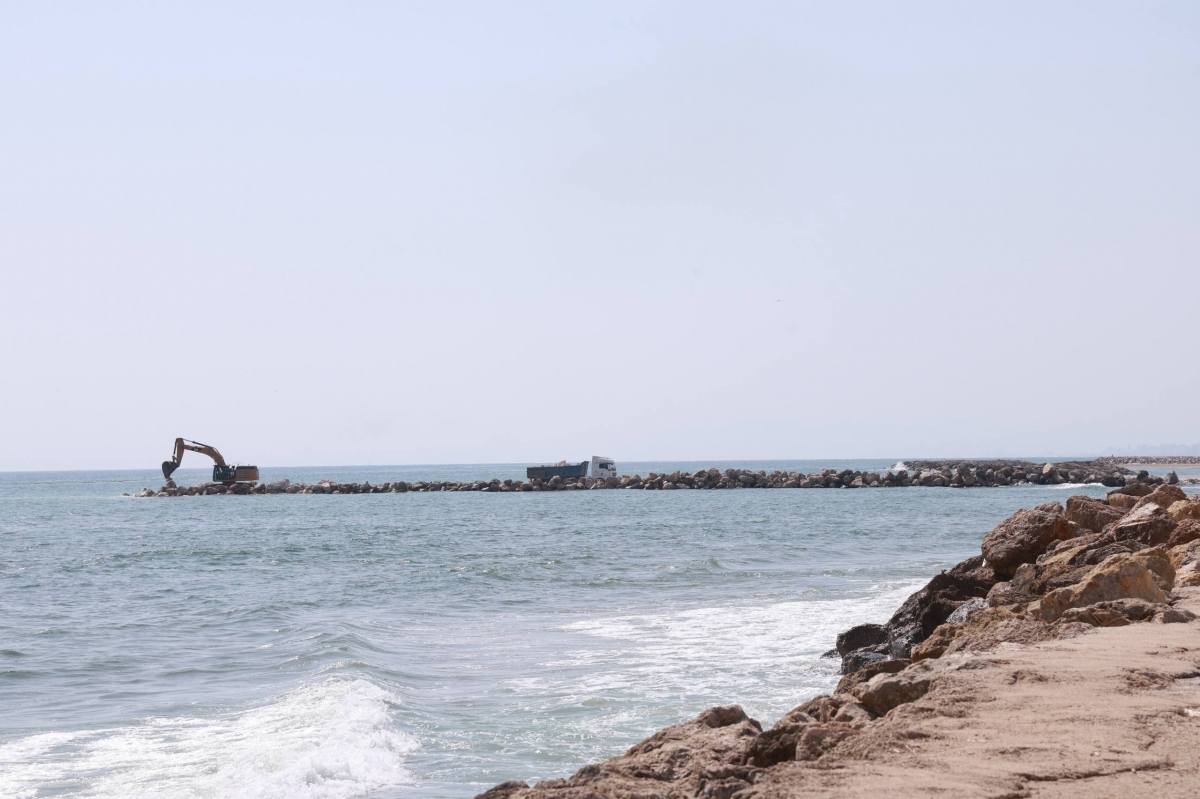
Greenpeace points to Sagunto's beaches (Almardà, Corinto and Malvarrosa) as an example of expensive, short-lived artificial regeneration against coastal erosion, according to its annual report 'Destrucción a Toda Costa 2026' ('Coastal Destruction At Any Cost').
The report groups the works at Almardà, Corinto and Malvarrosa, together with neighbouring Canet d'en Berenguer, under a single €7.6 million regeneration project. According to Greenpeace's data, Sagunto, Canet, Sueca and Cullera together moved three million cubic metres of sand at a combined cost of €42.6 million.
Greenpeace argues that much of that sand disappears again after each storm, and calls instead for restoring dunes and wetlands (marjales) as natural coastal defences. Sagunto already has an asset here: the dune system on the western side of Almardà beach holds high ecological value and exemplifies the kind of natural barrier the organisation wants prioritised over artificial sand nourishment.
The Valencian Community receives €170.7 million, 69.5% of the national budget for repairing coastal damage from last winter's storms. 'Destrucción a Toda Costa' is Greenpeace Spain's annual report; its 2026 edition identifies 200 critical points along the Spanish coastline facing climate change.
According to valenciaplaza.com, with additional data from Wikipedia and the Greenpeace Spain report.