Creu del Garbí pilgrimage in Estivella 2026: not held this year, and the Pilar has a history here
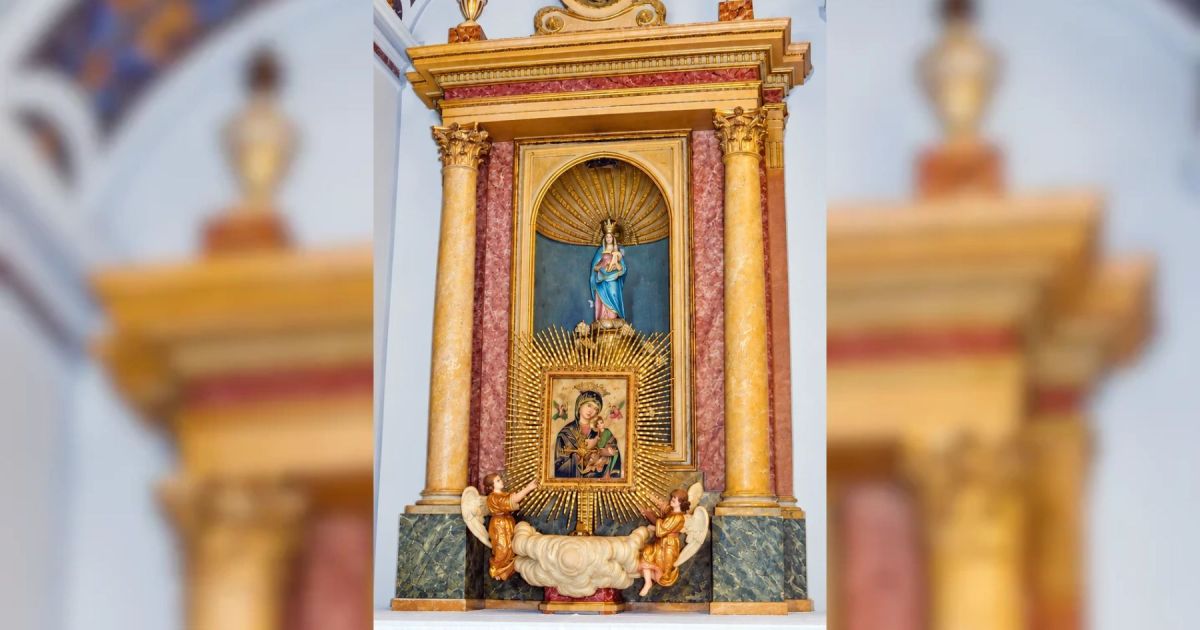
Estivella, in the Camp de Morvedre district, will have no pilgrimage to the Garbí hermitage on 25 October because the parish priest is on holiday. A column recalls the origin of Pilar devotion in the village.
Residents of Estivella who climb to the Creu del Garbí hermitage each autumn will not be able to do so on the usual date. The romería (traditional pilgrimage to a hermitage) of the fourth Sunday in October, which falls on 25 October in 2026, will not take place, and there will be no Mass beside the cross that day either. The reason: the village priest is spending October on holiday in his home country.
The absence also touches the ordinary Mass schedule. While it lasts, the weekend has a single service, on Saturday, and the Sunday Mass in Valencian is suspended. This is reported in an opinion column by El Periódico de Aquí. Its author accepts that the priest is entitled to a holiday organised before his appointment, but believes the religious authorities should have been more sensitive so that the tradition would not be lost this year. This is the columnist's assessment: the text does not include the view of the parish or of the church hierarchy.
The contrast the author stresses comes from 12 October 2026: that day the bells of Estivella rang insistently and a prominent Mass was held in honour of the Virgin of the Pilar, with local authorities present. There was a solemn celebration for this devotion, but there will be no pilgrimage to the Creu del Garbí.
For the columnist, to think the Pilar has no history in the village would be untrue. The image, small and finely made, is more than 150 years old, and its presence in the church is due to the parish priest Joaquín Álvarez Bonet, born in l'Alcúdia, who came to Estivella in 1826 from Cortes de Pallàs. He died on 19 October 1859 and was buried in the village: on 19 October 2026 it was 167 years ago.
His death entry in the Quinque Libri (parish register) is the columnist's main source. It records that all the priests of the Baronies attended the burial, that he left a sum of money for poor parishioners, and that he bequeathed to the church an image of the Pilar with its tabernacle, paid for out of his own pocket. Since then, the text argues, devotion to the Pilar has been tied to Estivella.
At the end of the 19th century, the image of the Virgin of the Desamparados (Our Lady of the Forsaken) moved to a chapel beside the baptistery, where it remains today. The columnist adds a chronological reference: the Guardia Civil (Spain's paramilitary police) began its devotion to the Pilar in 1864 and the Virgin was declared patron of the corps in 1913, so Estivella was venerating her before that armed institute did.
The place the pilgrimage climbs to has its own history. According to the Diputació de València, the origin of the Creu del Garbí hermitage is linked to a cross placed on that mountain in 1787; a chapel was built there in 1804 and the hermitage was restored in 1993. In other words, the summit has had a chapel for more than two centuries.
The text does not say whether another date will be set for the pilgrimage. The columnist concludes that the history of the Pilar in Estivella is overshadowed but worth remembering, especially this year, without a pilgrimage. According to El Periódico de Aquí, with additional data from the Diputació de València (tourism).