Fulles de tardor in Faura, Camp de Morvedre: Vall de Segó women dance on 18 October
Faura, a village neighbouring Sagunto, hosts a dance piece created by women of the Vall de Segó on Sunday 18 October (18:00), the result of a Hort-Art project on identity and memory.
The Escorxador in Faura hosts the final showing of Fulles de tardor. Cos com a territori comú on Sunday 18 October at 18:00. The project, driven by Hort-Art, uses contemporary dance to ask how people live in the Vall de Segó (the valley area north of Valencia) and what identity its villages share. It is a cultural event in a neighbouring municipality: Faura belongs to the Vall de Segó subcomarca, popularly known as Les Valls, and has 3,753 inhabitants according to the 2025 INE figures.
The showing is the result of a collective work process. Hort-Art organised workshops, meetings and creative sessions to explore the link between people and the landscape around them, paying special attention to shared memories and experiences. The core of the project is a group of women from the Vall de Segó who have taken part in several choreographic research labs. Through movement and their own life stories they have built the piece the public will see on Sunday.
Hort-Art starts from a simple idea: nobody lives in isolation, because territory, culture and relationships shape who we are. Àlex Guerra sums it up with everyday images: the air we breathe, the water that crosses the landscape, the food and the inherited memories show that each individual is in fact a set of relationships that never stop changing.
Pere Bodí describes the Vall de Segó as more than a sum of villages: orchards, irrigation channels, paths, orange trees, infrastructure, memories and ways of life that influence one another and keep evolving. That view inspires the piece, which treats the body as one more part of the landscape and takes daily experiences as material for dance.
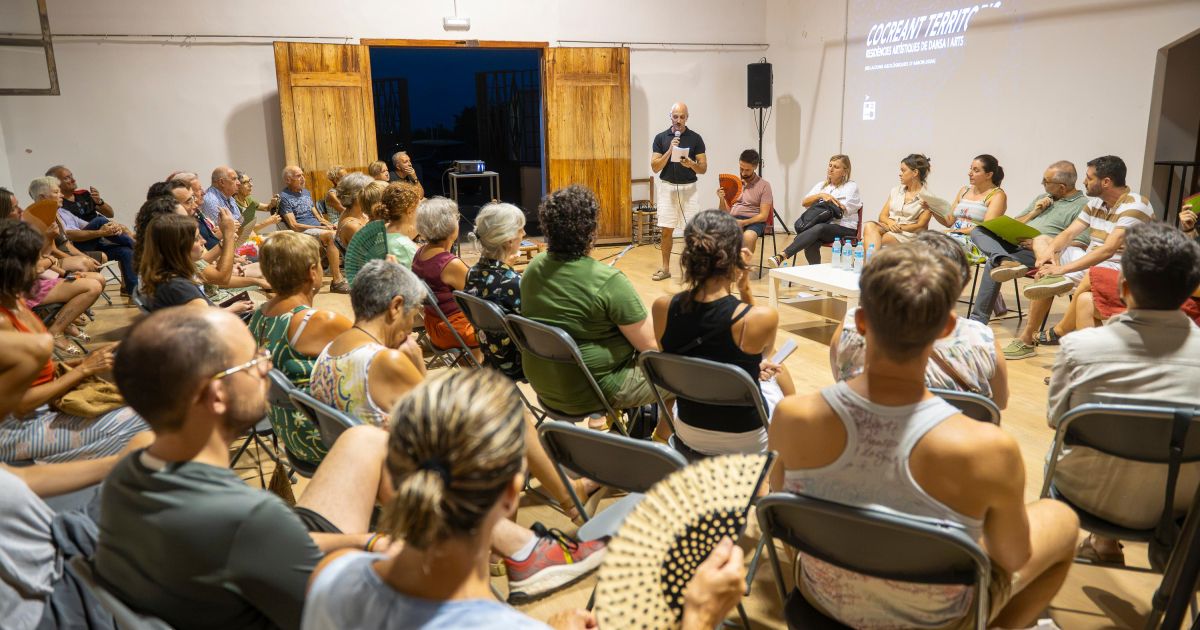
The project also wanted to move beyond the stage. It includes a workshop on memory at the IES la Vall de Segó (secondary school) and an open round table titled Territoris i identitats: Què fem? (Territories and identities: what do we do?), with four municipal representatives: Consol Duran, mayor of Faura; Lara González, mayor of Quart de les Valls; Cristina Marqués, mayor of Quartell; and José Álvarez, mayor of Benifairó de les Valls. They will discuss the identity of the territory and the future prospects of their municipalities.
That shared identity has old roots. In 1473 King John II established a lordship that included Faura, and in 1884 the municipality merged with Benifairó de les Valls into the so-called Villa de la Unión, although the two separated again in 1906. Today the mayor of Benifairó sits at the same round table as the mayor of Faura.
For people living in Sagunto, the link with Faura is also physical. According to elperiodicodeaqui.com in June 2026, the Provincial Council (Diputación) invested €532,000 in the full renovation of the Camí de les Valls, which connects Faura and Sagunto, and representatives of Faura, Sagunto and Benifairó de les Valls attended the handover of the works.
The initiative is backed by the Faura town council (Ayuntamiento de Faura) and aims to bring contemporary creation closer to local residents, who take part in a proposal centred on the culture and shared memory of the Vall de Segó. On Sunday, the participants will turn their experiences and their way of understanding the territory into movement.
According to El Periódico de Aquí, with additional data from Wikipedia on Faura and from an earlier report by the same outlet on the Camí de les Valls.