Tardor live in Sagunto on 24 October 2026: first date with «La vida com un joc»
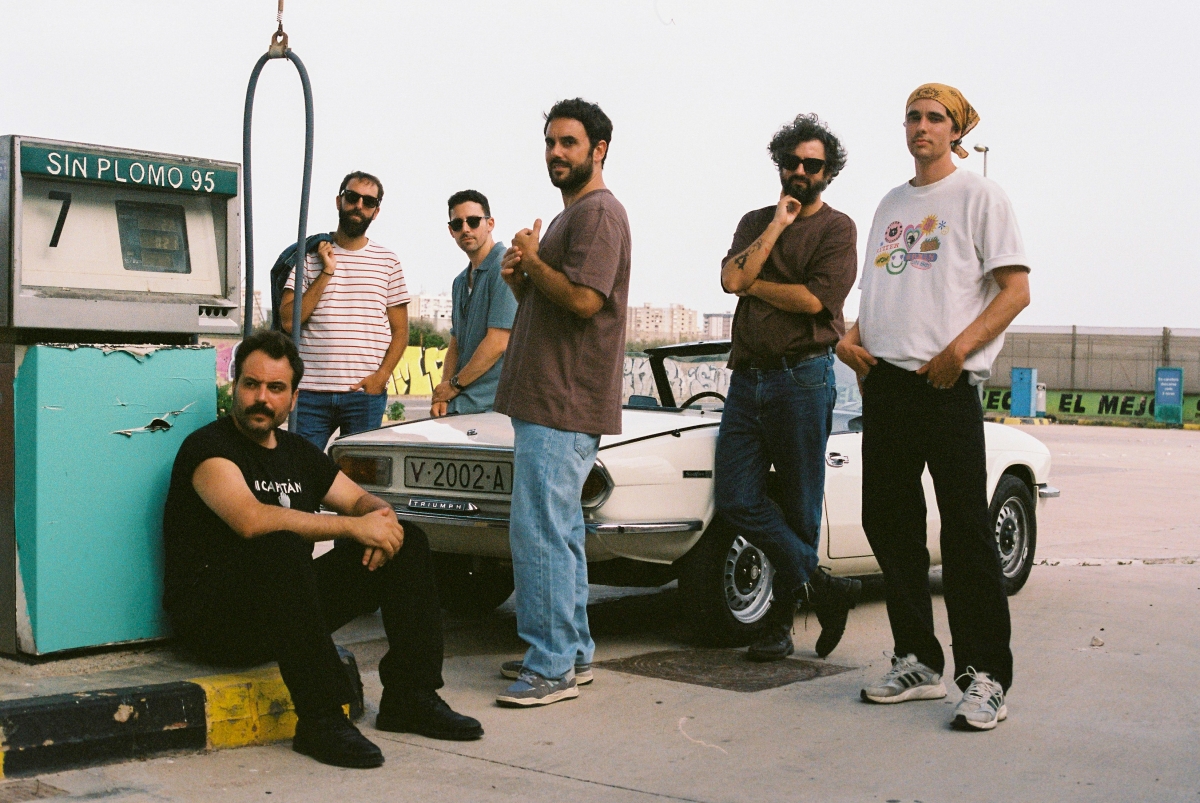
Tardor plays the Centre Cultural Mario Monreal in Sagunto on Saturday 24 October and a venue in València on 20 November, with their fifth album. The full record will not arrive until early 2027.
Tardor, a Valencian band, returns to live shows this Saturday, 24 October, in Sagunto, with a gig at the Centre Cultural Mario Monreal (a cultural centre) that opens the run of concerts for their fifth album, «La vida com un joc». The second highlighted date is 20 November at the Sala Repvblicca in València, where the band will present the record live. Anyone who wants to see them without leaving the Camp de Morvedre district therefore has the first chance on Saturday.
The album comes out in two volumes, and so far only the first part has been released. The complete record will not arrive until early 2027, after several setbacks that the singer and songwriter, Àlex Blat, details in an interview with Culturplaza: the injury of Cesc and delays in manufacturing the vinyl copies, which the band could not control. A new single will come before that. And at both concerts the audience will hear the new songs even though the album does not yet exist in physical format.
Blat has been in the band for more than fifteen years and admits that he sometimes needs to remind himself of what they have achieved so as not to fall into insecurity. His assessment is nuanced: Tardor has not had a huge commercial hit, but it does have songs that have stood the test of time. They still play tracks from ten years ago and, he says, there are songs from 2014 that the audience still sings along to, sometimes in tears. For him, success in Valencian is measured differently: that two years after releasing a song someone still buys a ticket to sing it, even if it is only 500 people, or that the scene respects artists. He compares the band with Zoo and La Fúmiga, who have achieved something extraordinary, and accepts that Tardor is something else.
The project coexists with other lives. Tardor does not live from music alone, so the members combine it with their day-to-day routines. Even so, Blat believes that giving up the stage would be madness, above all after the farewell concert, which he remembers as a very moving moment. On today's limitations, he acknowledges that a band now also has to deal with social media, a field where they stay on the sidelines, and he sums up that attitude in a line from «L'instint»: they know they are not at their best moment, but so what.
The songs on the album revolve around friendships that change over the years. Blat has dedicated a song to each birthday, from «Vint-i-dos» to «Trenta-sis». He says «Vint-i-set» was really «Vint-i-sis», but the producer was obsessed with that number, and that «Vint-i-dos» is the only one in which he no longer recognises himself. When he wrote «Trenta-sis» he noticed absences among the birthday messages, people who had once been important. He thinks few friendships last forever and that contact through WhatsApp is replacing real contact: in his own group of friends they ask each other four things without knowing almost anything about one another.
«Si el món s'apaga» was born during the hours of the electricity blackout. Blat admits the danger of losing power, for example in a hospital, but in his case, eight people recording an album in one room, the lack of light brought conversation, board games and shared meals. He concludes that he is not sure whether life is better with a smartphone in your pocket.
«Hi havia una ciutat» was written from Ciutat Vella (the old town) in València, where the musician has lived for thirty years. According to Blat, when he arrived almost nobody wanted to live there, and today most of the conversations he hears in the street are in English. He means people with high purchasing power who work remotely for foreign companies and buy housing, on top of the tourist flats. He bought his home in 2018, at a price that was still affordable; in six or seven years, he says, the situation has changed radically. He believes that since the pandemic the transformation of València has been more aggressive and that the city is moving towards a theme park. On the housing-rights protests, he thinks citizens can apply pressure, but that governments are the ones who can act, and he cites the case of Mari Carmen as an iconic figure among many evictions that get no visibility. He wonders whether he will be able to stay in his neighbourhood.
On the music scene, Blat sees more creativity than opportunities: making a living from music in Valencian comes down to one or two projects. He divides the responsibility among institutions that give little support to culture, programmers who repeat the same bands, and an audience that sometimes leaves en masse from a concert of five thousand people, leaving around 200 for the next act. He highlights the talent of young artists, among them Esther, whom he produces, and Quinto. He calls for brave programming and commitment from institutions and audiences.
On stage, the band now has one more musician. Everything heard at a Tardor concert is played live, with no pre-recorded tracks, and five of the members sing; only the drummer does not. Blat describes it as a rock-band concert without a show calculated to the millimetre, with its imperfections. According to Valencia Plaza, based on an interview in its Culturplaza section.