Opinion column examines the start of the school year in Camp de Morvedre
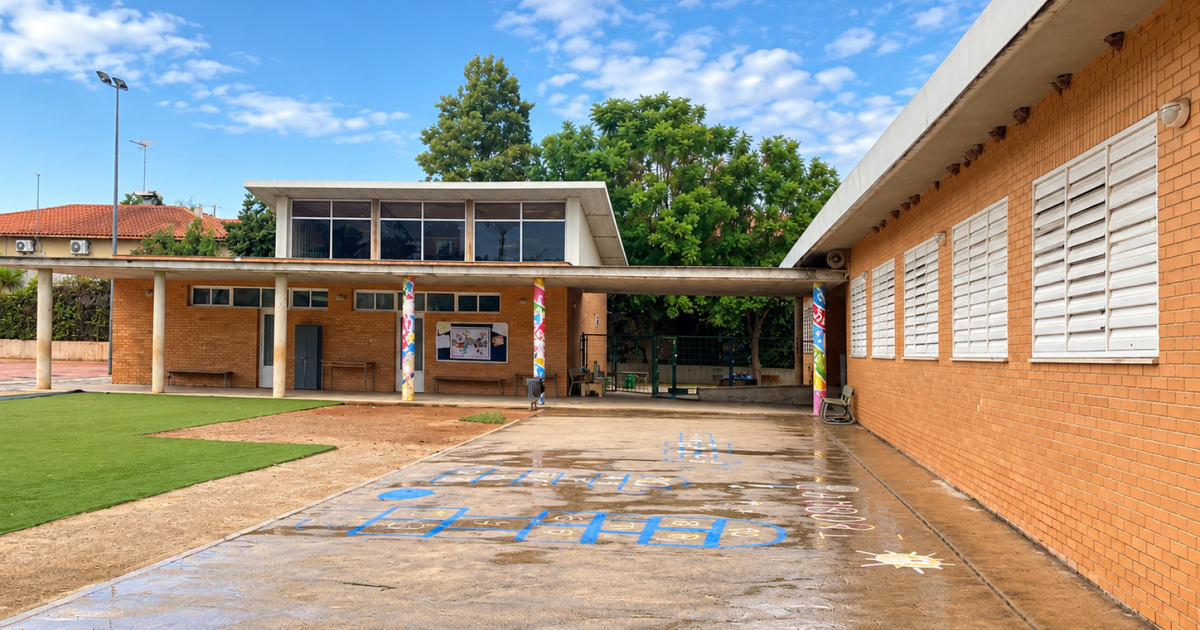
The piece, published in the Camp de Morvedre edition of El Periódico de Aquí, looks at teacher unrest and the latest PISA results as the 2026-2027 school year begins.
This year's return to school is not just another one, according to an opinion column published by El Periódico de Aquí in its Camp de Morvedre (a district of Valencia province that includes Sagunto) edition. The piece frames the start of the 2026-2027 school year around two issues that, in the author's view, are shaping the mood in local education: labour unrest among teachers, who have taken to the streets in recent months to demand improvements, and the results of the latest PISA report, which the article describes as worrying.
The column notes that both issues directly affect Camp de Morvedre, a district with close to 14,000 pupils. According to the piece, teachers have not only called for better pay, but also for higher educational quality, which the author argues has gradually declined in recent years due to a lack of attention from the administration towards public classrooms. That demand is not only about pay: for teachers, educational quality depends on the concrete conditions each school year starts with, not just on the monthly payslip.
On the PISA report, the column names it as one of the two main sources of concern at the start of this school year. PISA is an international study run by the Organisation for Economic Co-operation and Development (OECD) that measures how well 15-year-old students perform in maths, science and reading every few years, and is widely used to compare education systems across countries. Its results often become political ammunition: governments and opposition parties alike cite them to back up conclusions they had already reached about the system, which is why the column links PISA to teacher unrest as two symptoms of the same underlying malaise.
The column points to the Covid-19 lockdown as one of the factors still affecting those results, though it argues the problem goes beyond that one-off event: in the author's view, education policy in Spain has not been a shared, long-term state matter for years, with each government passing its own education law, making it hard to sustain any improvement. The piece adds that autonomous regions with their own language, such as the Valencian Community, do not receive enough resources to properly support that linguistic reality within the school system. The result, the piece argues, is a system that changes direction every few years with no time to assess whether earlier reforms actually worked, which makes it hard to compare one generation of pupils' performance with the next.
The article ends by calling for joint reflection from education stakeholders and the administration, linking improvements in the school system to broader values such as understanding, tolerance and respect for local culture and heritage. The reflection comes as Camp de Morvedre, like the rest of the Valencian Community, begins a new school year marked by negotiations between teachers' unions and the Conselleria (the regional education department). For families in Camp de Morvedre, the underlying message is that fixing the system depends less on any single measure than on the administration and teachers managing to hold stable agreements over time. Until that happens, every new school year will carry the same uncertainty the column describes: open negotiations, academic results under scrutiny, and close to 14,000 pupils in the district alone starting classes without knowing whether this will be the year things change. The column offers no ready-made solution, but it does offer a clear diagnosis: until education policy gains some continuity, every new school year will keep raising the same questions without fully resolving them. According to El Periódico de Aquí, with additional background from Wikipedia on the PISA report.