Anti-fraud watchdog refers Canet red-light camera case to prosecutors
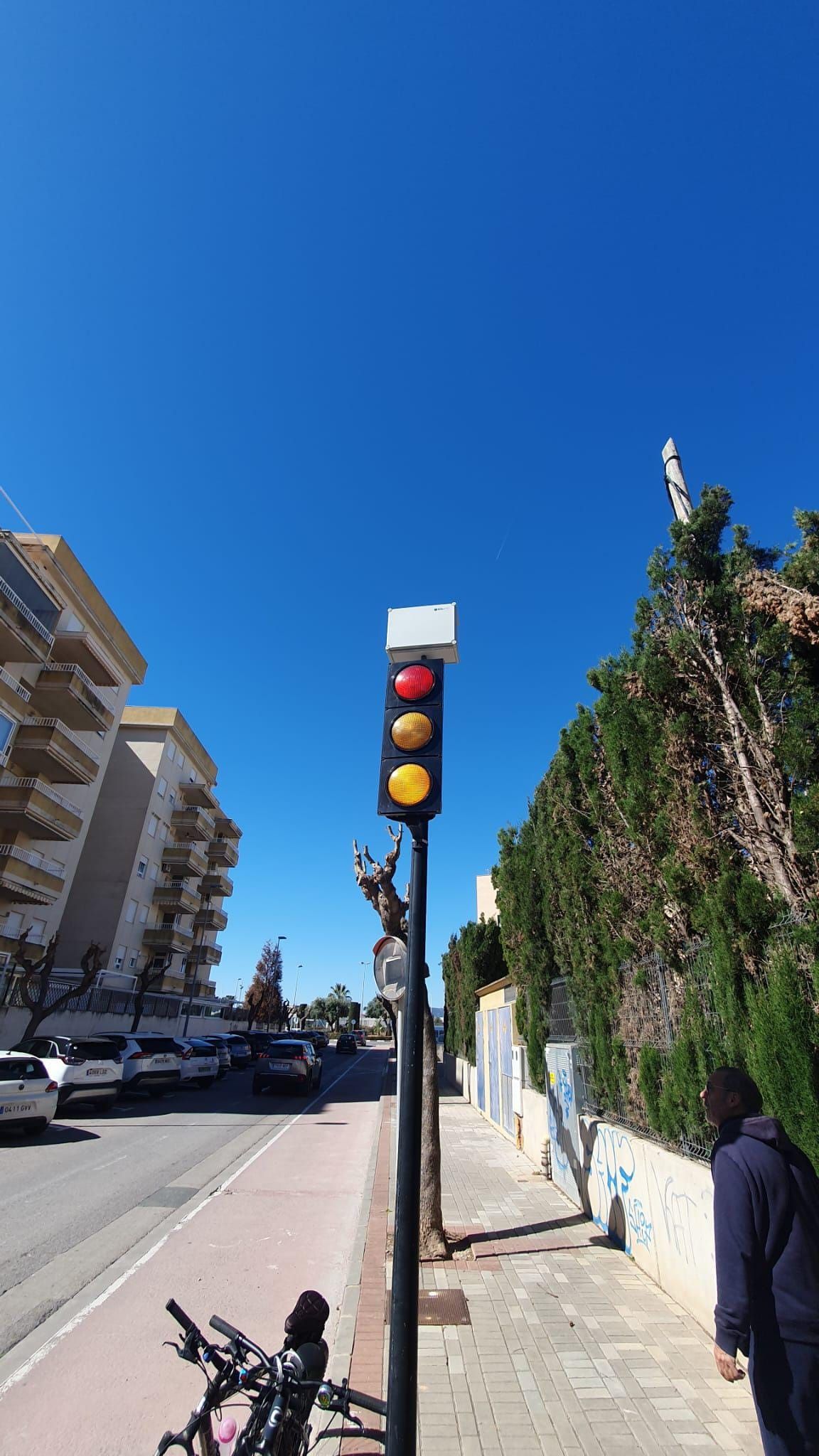
The Valencian Anti-Fraud Agency (AVAF) has referred the case of Canet d'en Berenguer's red-light speed camera to the prosecutor's office and Spain's Court of Auditors, following a complaint filed by Vox in both Canet and Sagunto.
Months after the 'foto-rojo' red-light camera in Canet d'en Berenguer was taken down, having drawn coverage even on national television, the case is back in the news with a significant twist. In a resolution signed on 31 July 2026, the Valencian Anti-Fraud Agency (AVAF, a regional watchdog body) has decided to send the file on the minor contract that ran the device — installed on Avenida Joanot Martorell — to both the public prosecutor's office and the Court of Auditors (Tribunal de Cuentas, Spain's public-spending watchdog), after finding signs of possible criminal and financial-accountability irregularities in how it was managed. It all goes back to complaints originally filed by the Vox party's local groups, both in Canet d'en Berenguer, a Camp de Morvedre town next to Sagunto, and in Sagunto itself.
The agency identifies two kinds of irregularity. On the financial side, it points to possible lost municipal revenue linked to fine files that were not processed in time or were archived once they expired, together with costs that may have exceeded the legal cap for a minor contract. On the potential criminal side, it suspects that fine processing may have been slowed or paused through informal, undocumented decisions, precisely to avoid going over that same spending cap or creating further obligations toward the contractor. It will be up to the Court of Auditors and the prosecutor to determine whether the mayor of Canet d'en Berenguer, Pere Antoni Chordà, bears any responsibility.
The report goes beyond simply forwarding the case: Antifraude also attaches fifteen recommendations to prevent this from happening again. Among them, it calls for dropping minor contracts when the cost or duration of a service cannot be calculated in advance, setting clear spending caps, requiring technical checks on evidence before issuing fines, and building a system that tracks every fine step by step, from detection through to payment or filing. The town hall has half a year to say whether it accepts or rejects each of those fifteen proposals.
Canet's town hall sees it differently: officials insist the camera was never meant to raise money, but to slow traffic on a street where residents had long complained about noise, and they note the contract capped the operating company's earnings at €18,150 — far below what it would have made from a percentage of every fine. The camera was switched off before its planned term was up, once that deterrent effect had been achieved, and local officials admit they were caught off guard: an earlier AVAF report, from June, had found no grounds to open an investigation. By reversing its position, the agency has left the town hall with no chance to make its case before the decision was taken.
According to elperiodicodeaqui.com.
← Back to today’s edition